
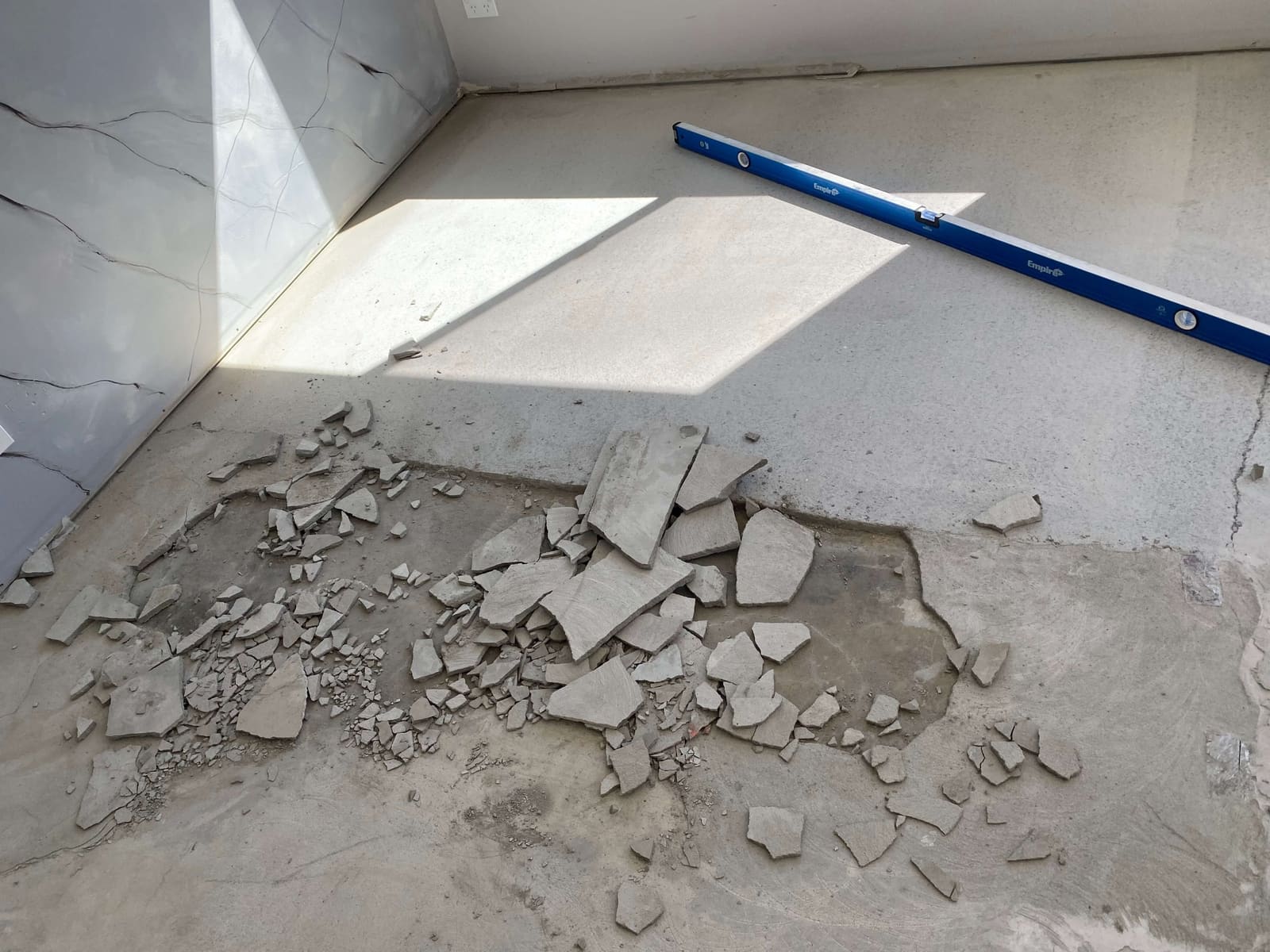
Outdoor renovations often begin with plans for new landscaping, improved pathways, refreshed driveways or additional entertaining areas. Homeowners may spend considerable time selecting colours, materials and layouts without paying much attention to the concrete already present. However, existing surfaces can reveal problems that affect how the entire project should proceed.
Professional concrete repairs may become necessary when damaged or deteriorating areas are identified before renovation begins. Understanding the condition of the concrete early can help homeowners coordinate repairs with other improvements rather than discovering unexpected problems after work is underway.
Existing Concrete Can Hide More Than Surface Wear
Older outdoor concrete often contains signs of previous use. Small cracks, worn sections, discolouration and patches from earlier repairs may be visible, particularly around driveways, paths and frequently used outdoor areas. Not every imperfection indicates a serious structural concern. Some variations are mainly cosmetic, while others may require closer assessment. The important distinction is understanding what has caused the visible condition before deciding how it should be addressed.
A surface that appears relatively sound from a distance may also contain sections requiring attention. Inspecting the area before placing new materials over it can help avoid overlooking conditions that affect the planned renovation. Homeowners should document visible concerns and seek professional assessment where the cause or significance remains uncertain.
Drainage Can Influence the Entire Project
Water movement is an important consideration in outdoor renovations. Rainfall needs appropriate routes away from buildings and across surrounding surfaces without creating unwanted pooling. Low areas, unsuitable falls or changes to nearby landscaping can influence how water moves across existing concrete. Installing new garden beds, retaining structures or paving without considering drainage may unintentionally alter these patterns.
Before renovation begins, homeowners can observe where water collects during rainfall and whether certain sections remain wet longer than expected. Drainage concerns should be evaluated as part of the wider property rather than treated solely as flooring issues. Where necessary, appropriate building or drainage professionals can help determine what corrective work is required.
Old Coatings Can Complicate Surface Updates
Some driveways and outdoor concrete areas have been painted or coated during previous improvements. Over time, these materials may show wear, discolouration, peeling or an uneven appearance. When planning driveway resurfacing, homeowners should establish what materials are already present and whether removal or other preparation is required before a new finish can be considered.
The condition of the existing surface can influence the proposed approach. Applying another material without understanding what lies underneath may not address the original problem. Professional evaluation helps distinguish between removing an ageing coating, addressing damaged concrete and selecting an appropriate future treatment. These are related decisions, but they are not necessarily the same task.
Landscaping Work Can Affect Concrete Areas
Outdoor renovations frequently involve several trades working around the same surfaces. Landscapers may install planting beds, drainage systems or retaining features, while other contractors work on paths, driveways and adjoining structures. The sequence matters because excavation, equipment movement and material deliveries can affect areas scheduled for finishing.
Completing a decorative surface too early may expose it to unnecessary activity from later construction work. Conversely, delaying essential concrete work until landscaping is finished can create access difficulties. A coordinated schedule can identify which activities should occur first and which areas need protection during subsequent work.
Homeowners can discuss access routes, material storage and planned equipment movement with contractors before the project begins.
Budgeting for Conditions That Are Not Immediately Visible
Renovation estimates are often based on what can be seen during the initial assessment. However, removing old coatings, lifting adjoining materials or exposing previously covered sections may reveal additional conditions. Allowing some financial flexibility can make these discoveries easier to manage. Homeowners should also request clear explanations when unexpected work is proposed.
Written estimates can distinguish essential repairs from optional appearance-related improvements. This makes it easier to decide which tasks need immediate attention and which can be scheduled later. Photographs and updated project notes can help keep everyone informed when the original scope changes.
Conclusion
Outdoor renovations are easier to coordinate when the existing concrete is assessed before new finishes, landscaping or other improvements begin. Cracks, previous coatings, drainage concerns and hidden surface conditions can influence the order and scope of work. Identifying these issues early allows homeowners to discuss appropriate repairs and preparation with qualified professionals rather than relying on assumptions about the substrate. A clear construction sequence and realistic budget also help manage unexpected findings, creating a more organised foundation for outdoor improvements that need to work together over time.